
Video Game Development · Gaming Industry
How Indie Game Teams Can Prove the Pipeline Early
Big studios often win in ways that are easy to miss from the outside. One of the most useful habits they tend to build into production is simple: they prove the pipeline before they pile on...
Big studios often win in ways that are easy to miss from the outside. One of the most useful habits they tend to build into production is simple: they prove the pipeline before they pile on content. For indie game developers and studio leads, that lesson is worth borrowing.
At MindMakerz, we think this mindset matters because immersive worlds do not come from volume alone. They come from systems that hold together under pressure. Before a team scales up quests, enemies, dialogue, and environments, it helps to know whether the structure can actually support them.
Use the Vertical Slice as a Stress Test
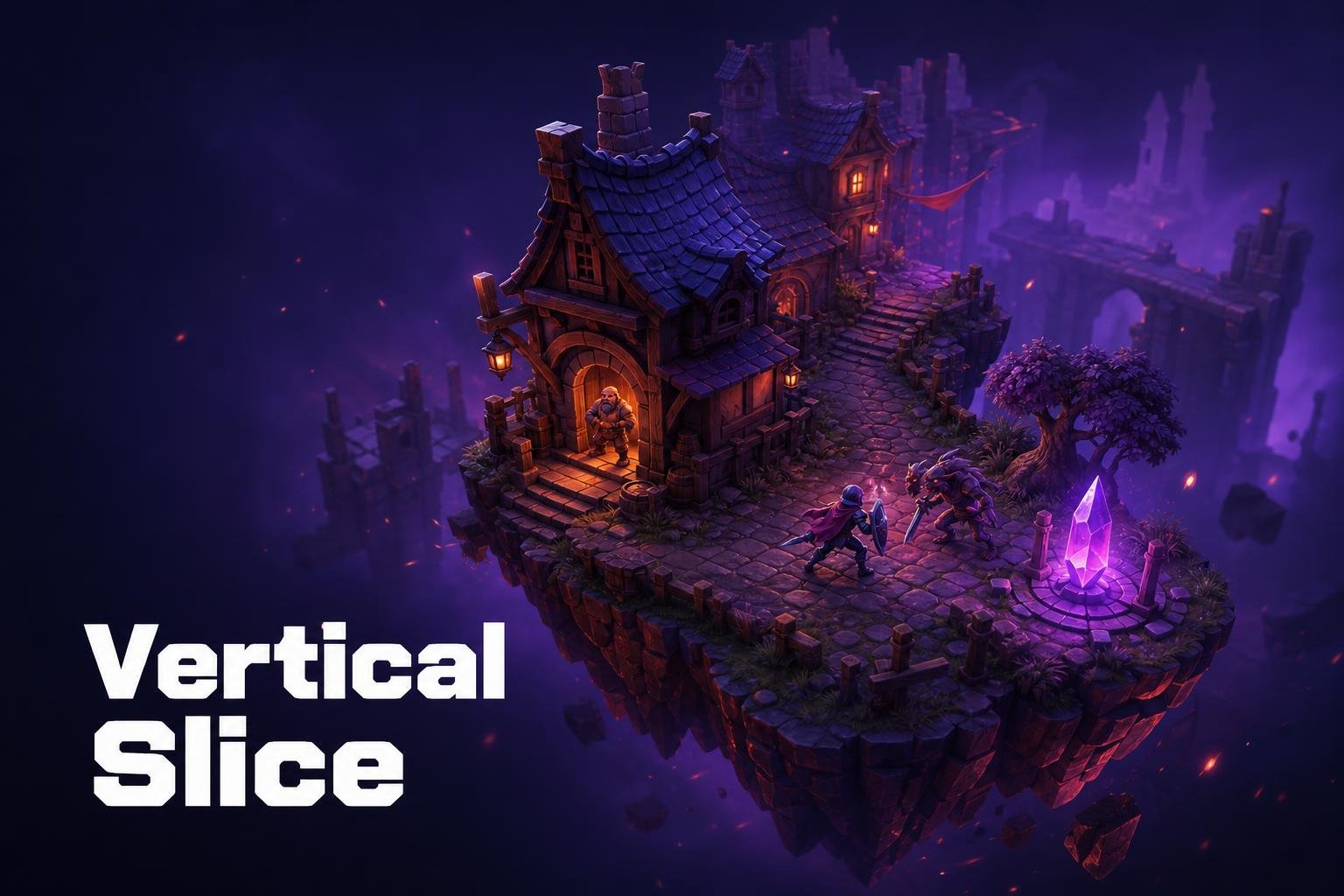
The vertical slice is often treated like a teaser, but that is not its real value. Its job is to prove the production shape of the game. A good slice includes one NPC, one location, one combat loop, one dialogue branch, and one save and load pass. That is enough to reveal whether the game can survive the next stage of development.
If that slice breaks, the production is already telling us where cost will grow. Maybe the combat loop takes too much tuning. Maybe the dialogue branch creates more complexity than expected. Maybe save and load exposes problems in state handling. Whatever fails, it is better to learn it early, when the team can still adjust the plan without carrying the mistake through the rest of the project.
This is why the vertical slice should be treated as a production check, not a marketing asset. It is not there to impress people with polish. It is there to expose the real shape of the work.
Review Features Through Three Questions
The other habit worth copying from larger studios is review discipline. Every feature should pass through three questions: is it fun, is it readable, and is it expensive?
That filter is powerful because it forces a hard decision. A feature may look clever on paper and still fail the test. If it does not change player choice, add world logic, or earn its cost in content, it should not survive just because it seems impressive in a pitch deck or design doc.
Fun asks whether the feature actually improves play. Readable asks whether players can understand what is happening without confusion. Expensive asks whether the feature is worth the time, content, and systems effort it demands. Those three questions keep the team focused on what matters most: the player experience and the health of the production.
Build the Structure Before You Scale the World
Indie studios often feel pressure to show breadth early. More content can feel like progress, especially when the world is ambitious. But breadth without proof is risky. The smarter move is to test the structure first, then spend on the parts that actually shape play.
That approach does not limit creativity. It protects it. When the pipeline is stable, the team can expand with more confidence. When the foundation has already been stress-tested, the world can grow without every new feature turning into a hidden production cost.
For teams building immersive games, this is the real takeaway: do not wait for content to reveal the problem. Use the vertical slice, use the review filter, and let the production tell us what deserves to stay. If the system holds, then the world can grow with purpose.
For more thoughts on game design, worldbuilding, and production-minded creativity, explore our studio site.